Across the mature-canopy neighborhoods of the Middlesex-Norfolk corridor, the shade that can make a property so appealing is also a haven for ticks and mosquitoes. A dense tree canopy, a brushy woodland edge, and damp leaf litter hold in the humidity essential to the survival of both pests, so your yard is full of them well into late summer. If you’re trying to figure out how to get rid of ticks and mosquitoes in your backyard, that habitat is why store-bought sprays keep coming up short.
These pests are more than a backyard nuisance. In eastern Massachusetts, mosquitoes can carry West Nile virus and, in some years, Eastern Equine Encephalitis (EEE), with community risk levels changing throughout the season. Sprays can reduce active populations, but lasting control also means addressing the shady, damp conditions where ticks and mosquitoes thrive. Strategic pruning, brush management, and other targeted tree care can open dense areas to more sunlight and airflow, making your property less hospitable to these pests.
Key Takeaways
- Ticks and mosquitoes concentrate where your yard stays shaded, humid, and cluttered with leaf litter or standing water.
- Opening a dense canopy, clearing the lawn edge, and removing humidity-trapping invasives makes a yard measurably less hospitable to both.
- Professional barrier treatments are safe once dry when applied correctly, with precautions taken to protect pollinators and water sources.
- The most effective free step you can take today is removing standing water.
- The strongest results come from reducing shady, damp pest habitats and pairing those changes with professional treatments rather than relying on DIY sprays alone.
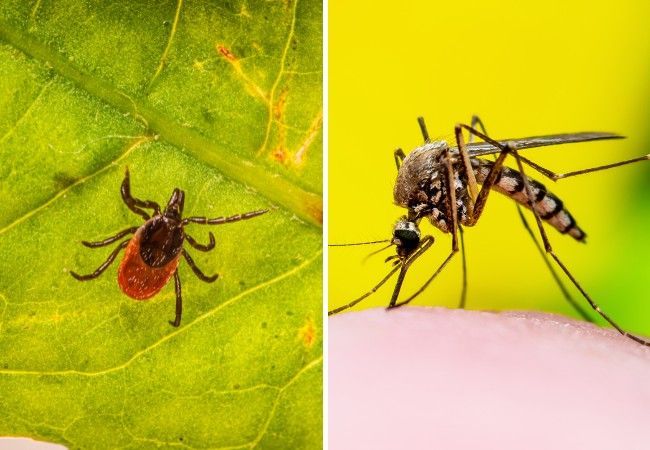
The two pests this program targets—ticks that shelter along shaded edges and mosquitoes that breed in standing water.
Where Do Ticks and Mosquitoes Live in Your Yard?
Ticks and mosquitoes aren’t randomly scattered across your property; they cluster in a few specific spots you can learn to identify. Both need moisture and shelter, so they gather wherever the yard stays cool, damp, and undisturbed. Take a walk around and look for conditions like:
- Shaded, Wooded Edges : The strip where the lawn meets the tree line stays humid and cool, which makes it ideal tick territory.
- Leaf Litter and Dense Groundcover : These trap moisture at ground level and give ticks cover to wait for a host.
- Standing Water : Buckets, clogged gutters, flowerpot saucers, and low spots become mosquito nurseries within days.
- Humidity-Trapping Invasives : Japanese barberry forms dense thickets that keep light levels low and humidity high, sheltering a lot more ticks than native plants.
Why Does a Professional Program Work Better Than Spraying for Ticks and Mosquitoes Yourself?
A professional program works better than DIY spraying because it puts the right product on the right spots at the right time, then reapplies on a schedule consistently throughout the season. Store-bought sprays often fall short for a few reasons:
- Wrong Coverage : Blanket spraying soaks the open lawn, where few pests rest, and misses the shaded edges and vegetation where they actually gather.
- Wrong Product or Timing : The hardware-store option often isn’t matched to the pest or the season, so it fades within days.
- Habitat Is Left Untouched: Spraying alone doesn’t address the shade, moisture, leaf litter, and dense vegetation that create favorable conditions for ticks and mosquitoes.
A licensed applicator closes those gaps, matching the product to the property. The real limit of doing it yourself is what you can’t do, and the biggest job is the canopy.
How Can Professional Tree Care Make Your Yard Less Inviting to Ticks and Mosquitoes?
Ticks and mosquitoes thrive in many of the same conditions found around mature trees: shade, moisture, dense vegetation, and protected areas with little airflow. Opening a heavy canopy can help by allowing more sunlight and air to reach the ground, but pruning is only one way professional tree care can make your yard less hospitable to these pests.
Depending on the conditions on your property, an arborist may recommend:
- Structural and Canopy Pruning : Thinning a heavy canopy to allow more sunlight and airflow to reach lawns, planting beds, and other shaded areas.
- Lawn-Edge Cleanup: Cutting back overgrown vegetation along wooded edges where moisture lingers and ticks are more likely to concentrate.
- Invasive Plant Removal: Removing dense, humidity-trapping growth such as Japanese barberry that can create favorable tick habitat.
These changes won’t eliminate ticks and mosquitoes on their own, but they can reduce the cool, damp, sheltered areas where pests thrive. Combined with targeted treatments, improving these conditions can make a professional pest-control program more effective throughout the season.

Because these products are toxic to bees, a careful applicator avoids blooms in flower and times the work to protect pollinators.
Is Professional Tick and Mosquito Control Safe Around Kids, Pets, and Pollinators?
Professional tick and mosquito control is safe once dry when applied according to the label by a licensed professional. That includes keeping kids and pets away from treated areas until they’ve completely dried. While no pesticide treatment is entirely risk-free, those risks can be managed through careful product placement, timing, and application. The barrier products are EPA-registered, and the real question isn’t whether they’re effective but whether they’re being used responsibly.
- Applied to Resting Sites : Treatment targets the shaded vegetation where adult pests rest, not the open lawn, patios, or pet areas.
- Pollinators Protected : These products are toxic to bees, so a careful applicator avoids flowering plants in bloom and times the work for hours when foragers aren’t active.
- Water Buffered : The same products are highly toxic to fish and aquatic life, so ponds, water gardens, and drainage areas are kept clear.
At Regal, our approach reflects that level of care. Our professional tick and mosquito control program uses a backpack mister with a sticking agent (better coverage while using less product), plus a water-density additive that limits drift onto neighboring plants and water.
We’re licensed applicators using effective products, applied responsibly around the people, pets, and pollinators who share the yard.
Frequently Asked Questions About Backyard Ticks and Mosquitoes
Will opening up my canopy cost me my shade or hurt my tree?
No, this isn’t clear-cutting. A Certified Arborist selectively thins and raises the canopy to let light and air through while keeping the tree structurally sound and most of your shade intact. Done properly, canopy work improves the tree’s health at the same time it dries out the pests’ habitat.
Will ticks and mosquitoes just come back from my neighbor’s yard?
They can. Mosquitoes can fly in from nearby properties, while ticks can be carried into your yard by deer, mice, birds, and other wildlife. That’s why professional control isn’t a one-time treatment. Treating key areas around the property and reapplying throughout the season helps control new pests as they move into your yard.
How long does a professional tick and mosquito treatment last?
A single application generally holds for several weeks, which is why professional control is built around scheduled seasonal applications rather than a one-time spray. The right interval depends on your property and the time of year.
What’s the most effective step I can take today to reduce tick and mosquito populations?
Eliminate standing water around your property. Empty buckets, planters, toys, birdbaths, and other containers that collect water at least once a week to prevent mosquitoes from breeding.
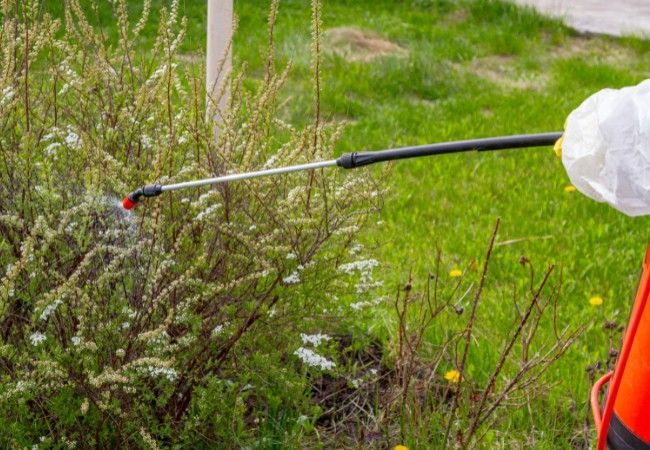
A targeted barrier treatment goes on the shaded vegetation where pests rest, not the open lawn or play areas.
Call Regal Tree & Shrub Experts to Get Your Yard Back
Reducing ticks and mosquitoes around a mature, wooded property takes more than spraying and hoping for the best. Regal Tree & Shrub Experts can identify the conditions that make your yard attractive to these pests and combine targeted tree care with professional tick and mosquito control for a more effective, long-term approach.
If ticks and mosquitoes are keeping your family from enjoying the yard, call Regal at 508-535-5499 or request a quote online.